Japan Food Series: Otaru Fuku Sushi Review – A Sushi Stop in One of Hokkaido’s Most Scenic Towns
Reviewed by Tastes of Ottawa
Table of Contents
Otaru Fuku Sushi – Restaurant Overview
5-26 Sakaimachi, Otaru, Hokkaido 047-0027, Japan
Otaru Fuku Sushi is a traditional sushi restaurant located in the coastal town of Otaru, a short train ride from Sapporo. The restaurant fits naturally into Otaru’s slower, more nostalgic atmosphere. It’s not flashy or modern, and it doesn’t feel designed for social media or tourists chasing trends. Instead, it presents itself as a classic sushi restaurant—formal enough to feel like a proper sit-down meal, but still approachable.
The interior leans traditional, with a calm, quiet dining environment that contrasts sharply with the busier, high-energy sushi spots found in places like Sapporo Station. Coming here felt like a deliberate pause in the trip rather than a quick meal between destinations.
Would return? Yes.
Otaru – Why People Visit
Otaru is one of the most popular day trips from Sapporo, and for good reason. Historically, it was an important port city during Hokkaido’s development in the late 19th and early 20th centuries. Today, it’s best known for its picturesque canal, preserved stone warehouses, glass workshops, music box museums, and coastal scenery.
Many people visit Otaru to experience a quieter, more old-fashioned side of Hokkaido. The pace is noticeably slower than Sapporo, and the town feels more walkable and intimate. Seafood also plays a big role in Otaru’s identity. Its proximity to the sea has long made it a hub for fresh fish, and sushi is one of the foods most visitors associate with the town.
Because of that reputation, expectations for sushi in Otaru are naturally high. Eating sushi here feels like part of the cultural experience, not just a meal. That context heavily influenced how I approached Otaru Fuku Sushi.
Otaru Local Beer
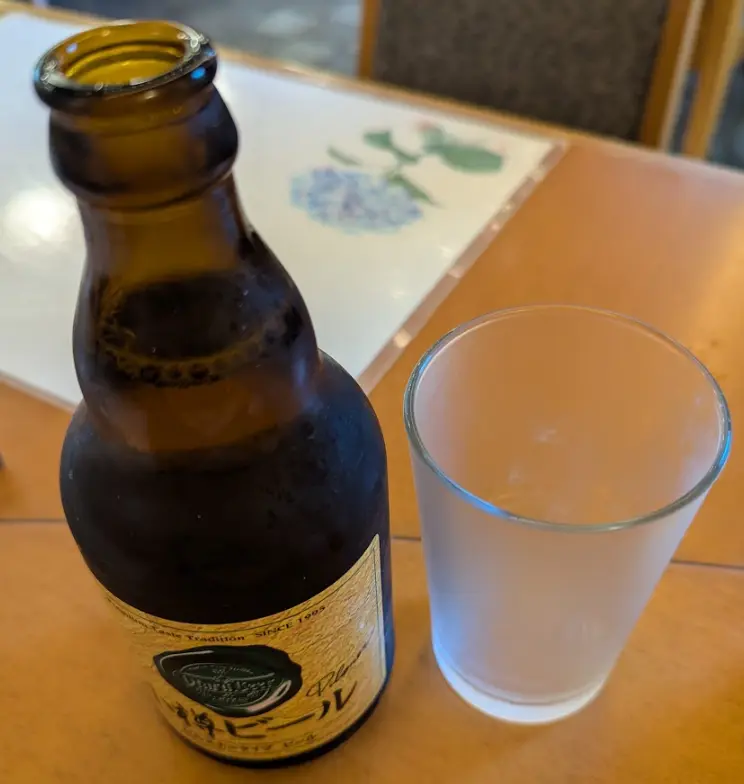
The Otaru local beer from Otaru Fuku Sushi was a pleasant way to start the meal. Like many of the beers I had throughout Hokkaido, it leaned toward being crisp, clean, and refreshing rather than heavy or bitter. It paired well with food and didn’t overpower the palate.
At this point in the trip, I had already tried several local beers across Hokkaido, and this one held up well among them. It wasn’t radically different, but it reinforced a pattern I noticed throughout the region: local beers here tend to prioritize drinkability and balance. Choosing it over a standard Sapporo beer felt like the right call, especially while dining in a town that prides itself on local character.
Order again? Yes.
Nigiri Sushi Set
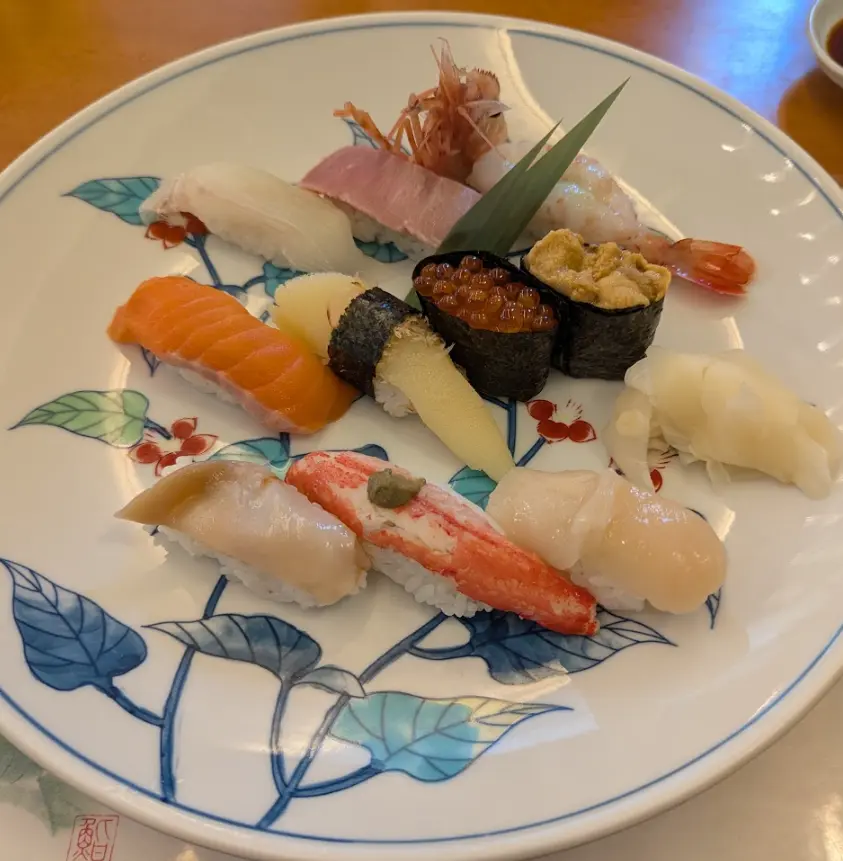
The Nigiri Sushi Set from Otaru Fuku Sushi was where things became more complicated. While the fish itself was fine in terms of freshness, the execution of the sushi raised some issues that affected the overall enjoyment.
The most noticeable problem was the excessive use of wasabi. There was simply too much of it in many of the pieces, to the point where it overwhelmed the fish entirely. Instead of enhancing the flavour, the wasabi dominated it, making it difficult to appreciate the subtleties of the seafood.
What made this more frustrating was the inconsistency. Some pieces were loaded with wasabi, while others barely had any at all. That lack of balance made the set feel uneven, as each piece required a mental reset rather than flowing naturally from one to the next.
The rice also didn’t meet the standard I had come to expect from sushi in Japan. Rather than having clearly defined grains with gentle stickiness, some of the rice felt overly soft and slightly mushed together. Proper sushi rice plays a crucial role in texture and structure, and here it felt like an afterthought rather than a foundation.
Taken together, these issues made the nigiri set less enjoyable than it should have been, especially given the setting and expectations associated with sushi in Otaru.
Order again? No.
Sushi Course B
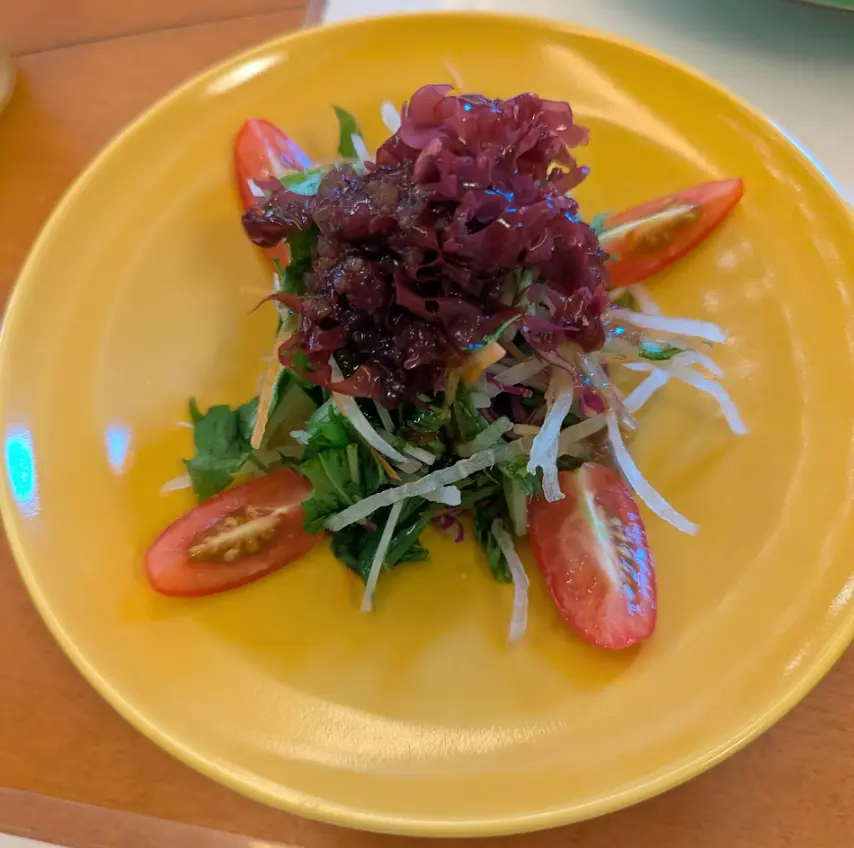
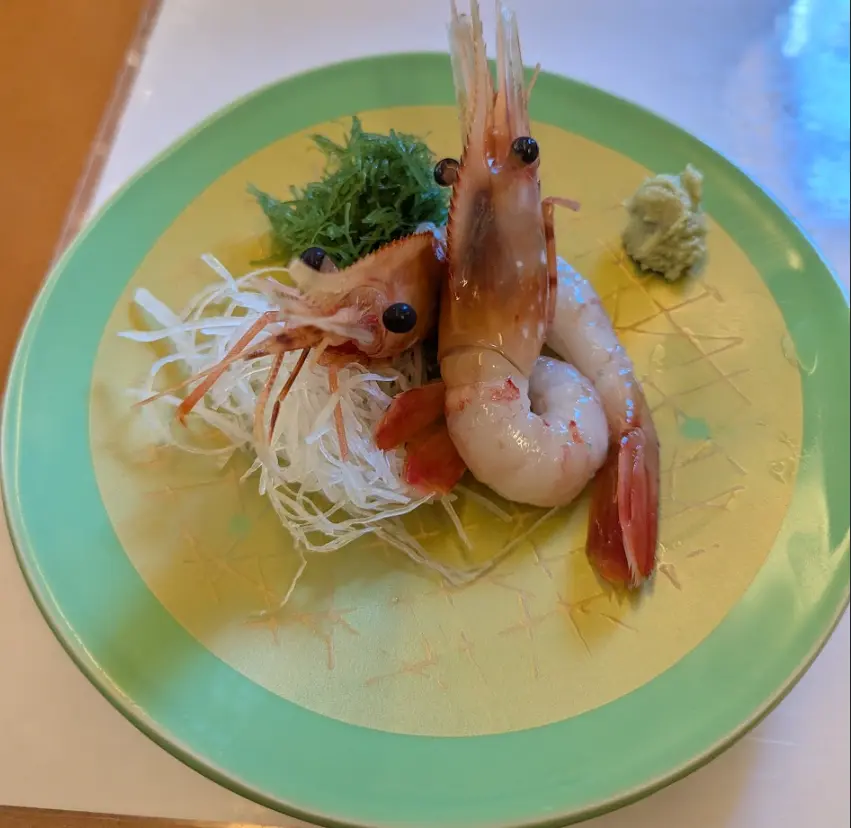
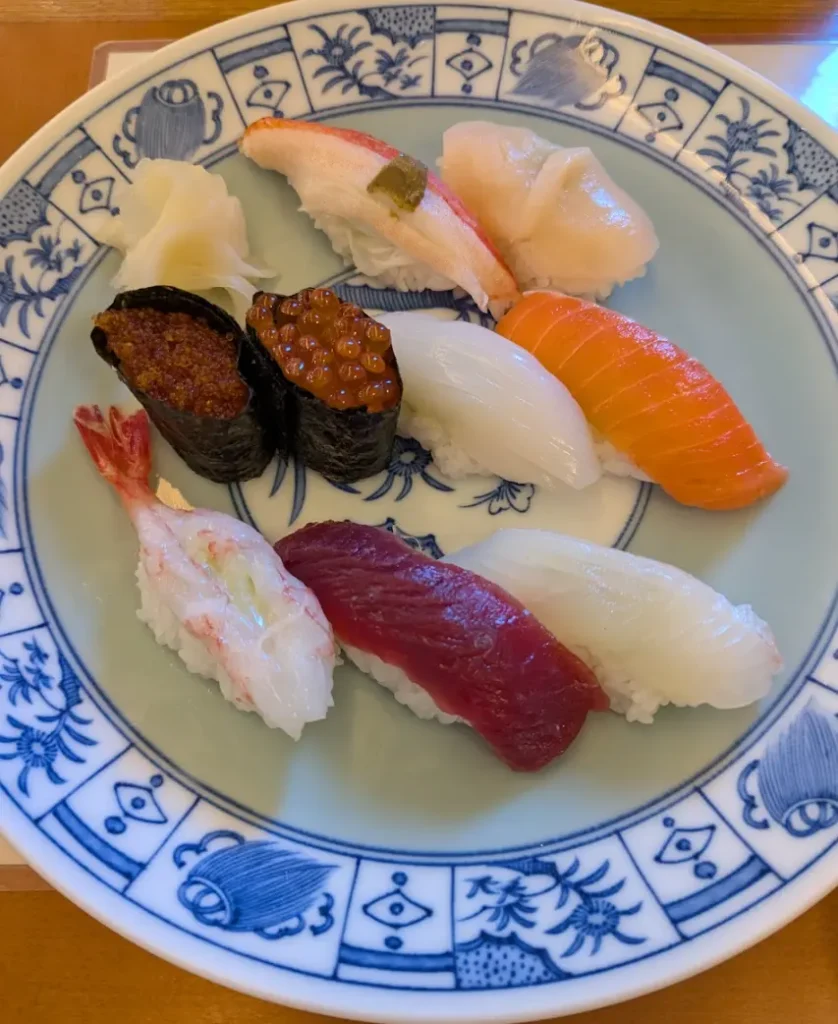
The Sushi Course B from Otaru Fuku Sushi followed a similar pattern. As a course-style meal, it offered more variety and structure, which helped offset some of the weaknesses seen in the nigiri set—but it didn’t fully escape them.
Once again, the wasabi usage was too heavy and inconsistent. Some pieces were aggressively spicy, while others barely registered. This made it hard to settle into the meal and enjoy the sushi as a cohesive experience.
The rice issues were also present here. Some of the sushi rice felt slightly overcooked, lacking the individual grain definition that gives good sushi its lightness and precision. When rice becomes too soft, it dulls both texture and flavour, and that was noticeable throughout parts of the course.
That said, the course wasn’t without highlights. The botan shrimp appetizer was excellent. It had a naturally sweet flavour and a pleasing texture, standing out as one of the better bites of the meal. This reinforced the idea that ingredient quality itself wasn’t the problem—it was more about execution.
The salad that came with the course was also very good. It had a nice texture, and the dressing was well-balanced, adding freshness and contrast to the richness of the sushi.
The meal ended with melon ice cream, which was genuinely enjoyable. The melon flavour was clear and natural, and the sweetness felt especially welcome after the intense hit of wasabi earlier in the meal. It worked well as a palate reset and left a more positive final impression.
Order again? No.
Final Thoughts
Otaru Fuku Sushi was a mixed experience, especially given the context of dining in Otaru—a town with a strong reputation for seafood and sushi. The restaurant itself felt appropriate for the setting: calm, traditional, and unhurried. The local beer, botan shrimp, salad, and melon ice cream were all highlights and showed moments of care and quality.
However, the sushi itself fell short of expectations. The overuse and inconsistency of wasabi, combined with rice that didn’t meet the standard I experienced elsewhere in Japan, made it difficult to fully enjoy both the nigiri set and the sushi course. These aren’t small details in sushi – they’re foundational elements – and when they’re off, the entire experience suffers.
As part of my Japan Food Series, this meal was still valuable. It highlighted that even in places known for great food, not every restaurant will deliver equally well. Otaru remains a wonderful place to visit for its scenery, history, and atmosphere, and sushi is still very much part of that experience. But Otaru Fuku Sushi, while not terrible, didn’t stand out compared to other sushi meals I had in Hokkaido.
It served as a reminder that context and reputation set expectations—and when those expectations aren’t met, the contrast becomes especially noticeable.
If you’re looking for more sushi restaurants in Sapporo, check out my other reviews: