Japan Food Series: Fresh Seafood at Onsen Ichiba in Noboribetsu – A Memorable Stop Beyond the Hot Springs
Reviewed by Tastes of Ottawa
Table of Contents
Onsen Ichiba – Restaurant Overview
Japan, 〒059-0551 Hokkaido, Noboribetsu, Noboribetsuonsencho
Onsen Ichiba is a seafood-focused restaurant located in Noboribetsu, a town best known for its hot springs rather than its dining scene. The restaurant feels intentionally tied to the area’s tourism culture – welcoming, casual, and clearly designed to showcase Hokkaido’s seafood in a way that’s accessible to visitors. One of the first things you notice upon entering is the presence of live seafood tanks inside the restaurant. Seeing live fish and shellfish swimming just steps away from the dining area immediately sets expectations around freshness.
The space itself isn’t flashy or modern. Instead, it leans into a market-style atmosphere, where the food is meant to be the centre of attention. It felt like a natural stop after exploring Noboribetsu’s hot spring areas, especially for travellers looking to have a satisfying meal that reflects Hokkaido’s strengths rather than something generic.
Would return? Yes.
Noboribetsu – History & Food Context
Noboribetsu is one of Hokkaido’s most famous onsen towns, known primarily for Jigokudani (Hell Valley) and its mineral-rich hot springs. The town developed around its geothermal activity, with visitors historically coming for health and relaxation rather than food. Over time, as tourism grew, restaurants emerged to support travellers—often focusing on hearty, comforting meals that pair well with long days spent outdoors or soaking in hot springs.
Because Noboribetsu is not a major city, dining options are more limited compared to places like Sapporo. That makes restaurants like Onsen Ichiba stand out even more. Rather than trying to compete with urban dining trends, it leans into what Hokkaido does best: fresh seafood and clean flavours.
Eating here felt different from dining in Sapporo. The pace was slower, the atmosphere more relaxed, and the focus was less about variety and more about quality.
Live Seafood Experience
The live seafood tanks at Onsen Ichiba were a meaningful part of the experience. While not unique to Japan, they still add a level of transparency and reassurance that the seafood is as fresh as possible. Watching fish swimming while waiting for your meal reinforces that what you’re about to eat hasn’t travelled far or sat around unnecessarily.
In a region like Hokkaido – where seafood quality is already high – this felt like an extra layer of confidence rather than a gimmick. It fit naturally into the restaurant’s identity and added to the overall sense that freshness was a priority here.
Noboribetsu Local Beer

One of the highlights of the meal was trying the Noboribetsu local beer. After having Sapporo Classic repeatedly throughout the trip, this felt like a welcome change. And it turned out to be one of my favourite beers I had in Hokkaido.
It was extremely refreshing, clean, and easy to drink. There was no heaviness or bitterness that lingered too long. It paired perfectly with seafood, acting more as a palate cleanser than a dominating flavour. I was genuinely glad I chose this over another Sapporo Classic—it added something new to the experience and felt like part of discovering Noboribetsu rather than just passing through it.
This was a reminder that trying local options, even when familiar brands are available, often leads to more memorable experiences.
Order again? Yes.
Otoro Rice Bowl
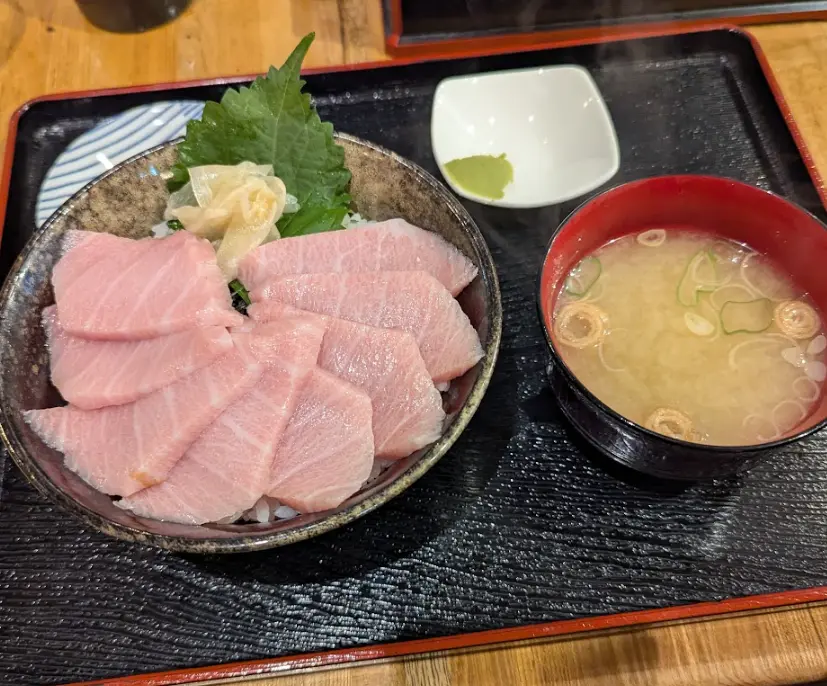
The otoro rice bowl from Onsen Ichiba was excellent and delivered exactly what you’d hope for from fatty tuna. The sashimi had an incredibly soft, buttery texture that practically melted as you ate it. This is the kind of texture that clearly separates high-quality otoro from more ordinary cuts of tuna.
The flavour was rich without being overwhelming, and the fat content gave it a luxurious mouthfeel that made each bite feel indulgent. The rice underneath was solid—well-cooked, properly seasoned, and consistent with other rice bowls I had throughout the trip. It didn’t distract from the fish, which is exactly what it should do.
This bowl felt simple in composition but effective in execution. When the main ingredient is this good, there’s no need for unnecessary embellishments.
Order again? Yes.
Tuna & Salmon Rice Bowl
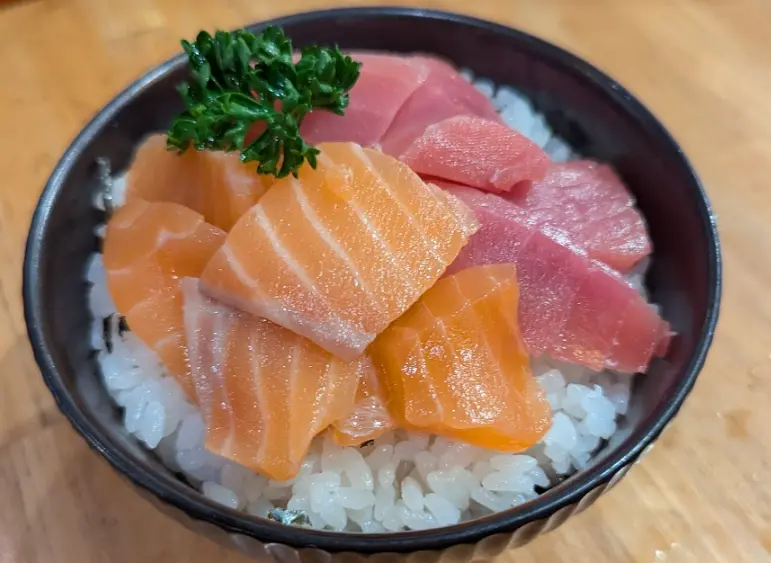
This bowl offered at Onsen Ichiba a more balanced and straightforward experience compared to the otoro. Both the tuna and salmon tasted very fresh, clean, and properly cut. The salmon had that familiar rich flavour and soft texture, while the tuna was leaner but still satisfying.
Mixing the fish with rice and a bit of soy sauce was genuinely enjoyable in its simplicity. It’s the kind of dish that reminds you why sashimi rice bowls are so popular in Japan—there’s nothing to hide behind, and when the ingredients are good, the dish just works.
While it didn’t have the indulgence of the otoro bowl, it made up for it by being comforting and easy to eat. It felt like a dependable choice that would satisfy most people without trying to impress too hard.
Order again? Yes.
Final Thoughts
Onsen Ichiba is a restaurant that fits Noboribetsu perfectly. It doesn’t try to compete with big-city dining or reinvent Japanese seafood dishes. Instead, it focuses on freshness, simplicity, and local flavour. The live seafood tanks reinforce that commitment, while the rice bowls showcase Hokkaido’s strengths without unnecessary complexity.
The otoro rice bowl was a highlight for its texture and richness, while the tuna and salmon bowl delivered a clean, satisfying alternative. Pairing both with Noboribetsu’s local beer made the meal even more memorable and helped set it apart from similar meals elsewhere in Hokkaido.
As part of my Japan Food Series, this stop reinforced an important travel lesson: some of the most enjoyable meals come when you embrace what a place does best. Noboribetsu may be known for its hot springs, but Onsen Ichiba proves that it’s also worth slowing down and enjoying a great seafood meal while you’re there.
If you’re looking for more restaurants specializing in seafood, check out my other reviews: