Japan Food Series: Maruki Soba in Sapporo – A Comforting Stop for Traditional Soba Noodles
Reviewed by Tastes of Ottawa
Table of Contents
Maruki – Restaurant Overview
Japan, 〒060-0062 Hokkaido, Sapporo, Chuo Ward, Minami 2 Jonishi, 2 Chome−8 カドレビル 1F
Maruki is a traditional soba restaurant located in central Sapporo, tucked into the ground floor of a modest building just off one of the city’s busy shopping and dining streets. From the outside, it doesn’t try to stand out. There’s no flashy signage, no modern design elements, and nothing that signals trendiness. Instead, it feels like a place that has existed quietly for years, serving customers who already know what they’re there for.
Inside, the atmosphere is calm and understated. The space is practical and functional, with a layout designed for eating rather than lingering. This kind of setting fits soba perfectly. Soba restaurants often emphasize simplicity and efficiency, allowing the noodles and broth to take centre stage without distraction. Maruki follows that tradition closely.
This stop felt like a deliberate shift in pace compared to many of the more intense or high-energy meals I had elsewhere in Sapporo. After ramen shops, sushi counters, and busy food courts, sitting down to a bowl of soba felt grounding and familiar in a quiet, comforting way.
Would return? Yes.
Soba Noodles – History & Significance
Soba noodles have a long and deeply rooted history in Japan. Made primarily from buckwheat, soba became popular during the Edo period, particularly in urban centres like Tokyo, where they were valued for being affordable, quick to serve, and nutritious. Over time, soba evolved from simple street food into a dish with regional variations and cultural significance.
One of the defining characteristics of soba is its versatility. It can be eaten hot or cold, depending on the season, and both preparations are treated with equal respect. Hot soba is typically served in a light, savoury broth and is associated with comfort and warmth, especially during colder months. Cold soba, on the other hand, highlights the noodle itself—its texture, aroma, and subtle flavour – often paired with a dipping sauce rather than a full soup.
Unlike ramen, which often relies on bold, heavy broths and rich toppings, soba is about restraint. The flavour is more subtle, the textures more delicate, and the satisfaction comes from balance rather than intensity. That makes soba an excellent lens through which to judge a restaurant’s fundamentals. There’s very little to hide behind.
Hot Soba
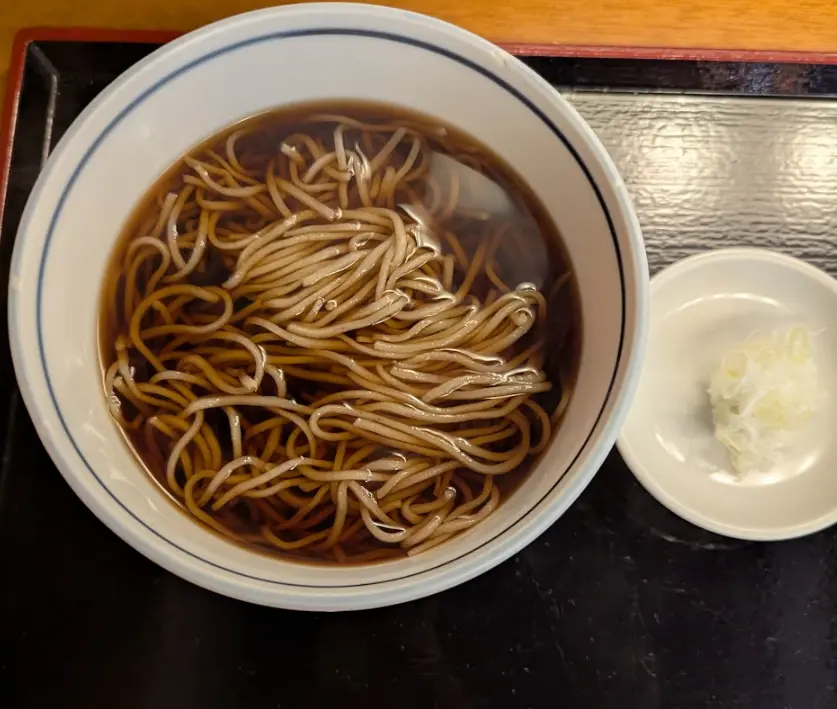
The hot soba at Maruki was simple, comforting, and exactly what I wanted from this style of dish.
The broth was light but flavourful, delivering warmth without heaviness. It didn’t overpower the noodles, which is essential in a dish like this. Instead, it acted as a supporting element, allowing the soba to remain the focus.
The noodles themselves had a slightly chewy texture that I really enjoyed. They weren’t too soft, nor were they overly firm. That balance gave each bite substance while still feeling gentle and easy to eat. Combined with the warmth of the broth, the dish had that classic comforting quality that makes hot soba so appealing.
This bowl felt especially appropriate given Sapporo’s climate. There’s something deeply satisfying about eating hot soba in a colder environment—it warms you gradually and leaves you feeling content rather than weighed down.
Order again? Yes.
Cold Soba and Tempura Shrimp
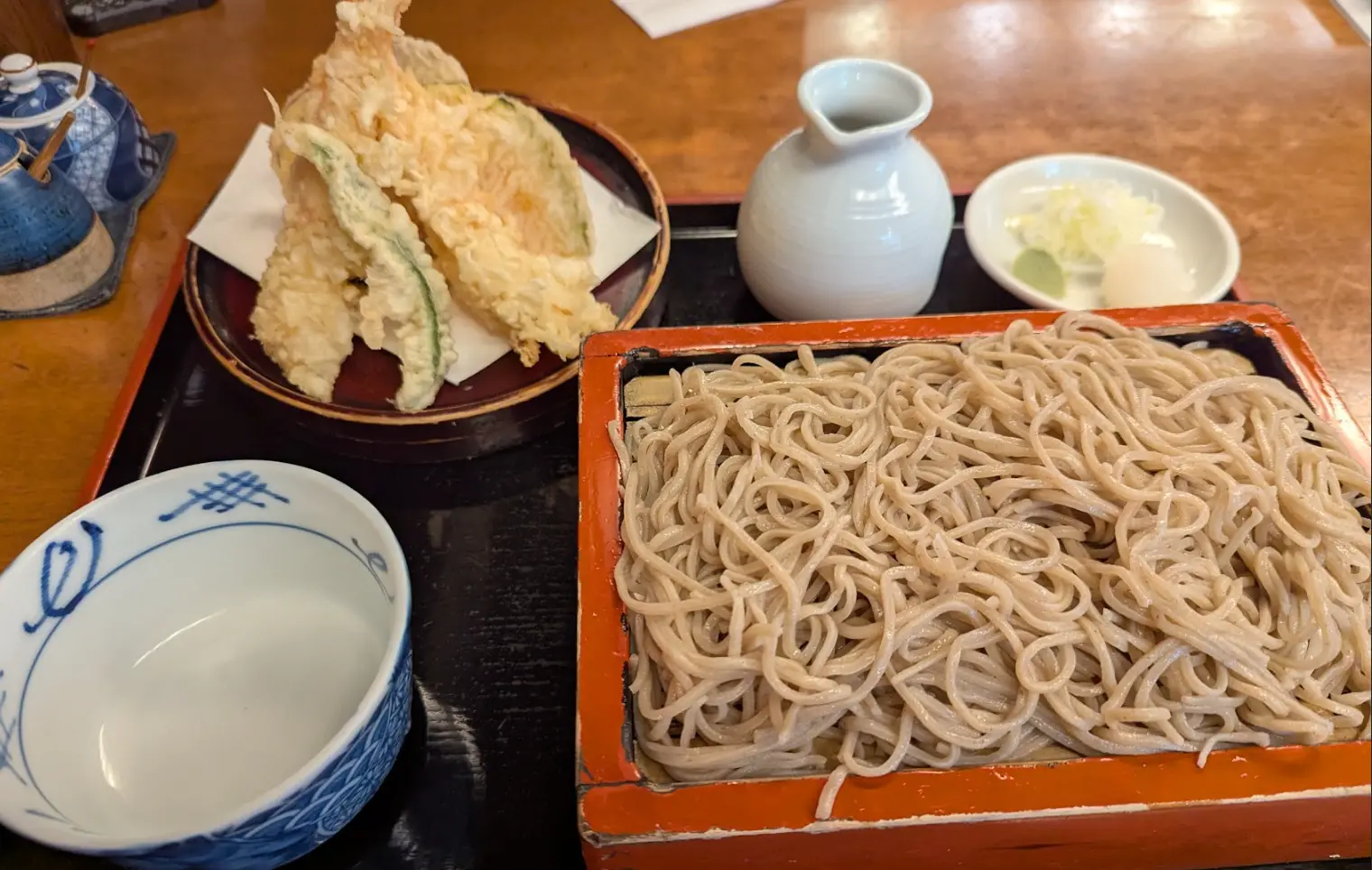
The cold soba and tempura shrimp set offered a different perspective on the noodles and showcased another side of Maruki’s approach.
The soba noodles here were quite good. They had the expected texture – clean, lightly chewy, and refreshing. While they weren’t the best soba noodles I’ve had in Japan, they were solid and enjoyable. The noodles were served on an elevated tray, which visually made the portion look larger than it actually was. While that’s a bit of an illusion, it’s a common presentation style and didn’t detract from the experience.
The dipping sauce was consistent with what you’d expect from soba restaurants: savoury, slightly sweet, and well-balanced. It complemented the noodles without dominating them, allowing you to control how intense each bite became.
The set also came with tempura shrimp, which were very well done. The batter was light and crisp, and most importantly, there was no greasiness. Each bite felt clean, with a satisfying crunch that didn’t overshadow the shrimp itself. Good tempura should feel airy rather than heavy, and this achieved that balance.
Together, the cold soba and tempura shrimp made for a well-rounded meal. It felt structured, traditional, and thoughtfully prepared.
Order again? Yes.
Comparing Hot vs. Cold Soba at Maruki
Trying both hot and cold soba at Maruki highlighted the strengths and limitations of the restaurant. The hot soba leaned more into comfort and warmth, making it emotionally satisfying and easy to enjoy. The cold soba placed more emphasis on technique and noodle quality, which is where comparisons to other soba experiences naturally come into play.
While the cold soba didn’t completely stand out among the best I’ve had in Japan, it was still solid and enjoyable. The hot soba, on the other hand, felt more immediately rewarding, especially in the context of Sapporo’s colder weather.
Atmosphere & Value
Maruki’s atmosphere matched the food perfectly. Quiet, efficient, and understated, it felt like a place locals would return to regularly rather than a destination restaurant meant to impress visitors. There’s a certain honesty to that.
In terms of value, the meal felt fair. Soba restaurants typically aren’t about excess, and portions here reflected that philosophy. You’re paying for consistency, tradition, and comfort rather than indulgence.
Final Thoughts
Maruki offered a calm and comforting soba experience that fit well into my Japan Food Series. It wasn’t flashy, and it didn’t aim to redefine soba, but it delivered what it promised: well-prepared noodles, clean flavours, and a traditional approach that respects the dish.
The hot soba stood out as especially comforting, with a pleasant broth and noodles that hit the texture I love. The cold soba and tempura shrimp set provided a solid, balanced meal that highlighted soba’s versatility, even if it didn’t reach the highest tier of soba I’ve had in Japan.
In a city filled with bold flavours and high-energy food experiences, Maruki served as a reminder of how satisfying simplicity can be. If you’re looking for a traditional soba meal in Sapporo – something quiet, reliable, and rooted in Japanese food culture – Maruki is a place worth considering.